


 |
AlBe3 Aluminum Beryllium for Regular Metals Industry
Product Details:
| Place of Origin: | Hunan, China |
| Brand Name: | High Broad |
| Model Number: | AlBe3 |
Payment & Shipping Terms:
| Minimum Order Quantity: | 10 |
|---|---|
| Price: | $50-90 |
|
Detail Information |
|||
| Application: | Regular Metals Industry, Regular Metals Industry | Chemical Composition: | Beryllium |
|---|---|---|---|
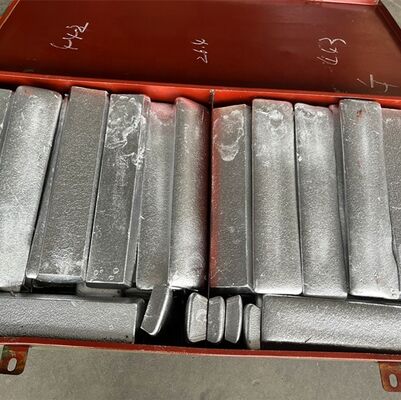
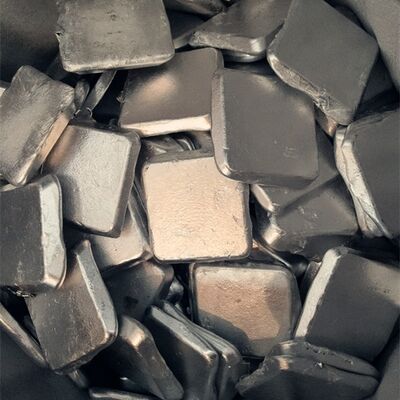
| Material: | Aluminum Beryllium, Aluminum Beryllium | Shape: | Block |
| Type: | AlBe3 | Usage: | Grain Refinement |
| AlBe5: | Aluminum Based Master Alloy | AlBe3: | Master Alloy |
| Other: | Magnesium Based Master Alloy | ||
| Highlight: | AlBe3 aluminum beryllium alloy,magnesium master alloy for metals industry,AlBe3 alloy with warranty |
||
Product Description
AlBe5 Aluminum beryllium master alloy
Similar to a restaurant chef using small additions of spices to fine-tune his dishes, the metal industry uses master alloys to adjust the properties of its products.
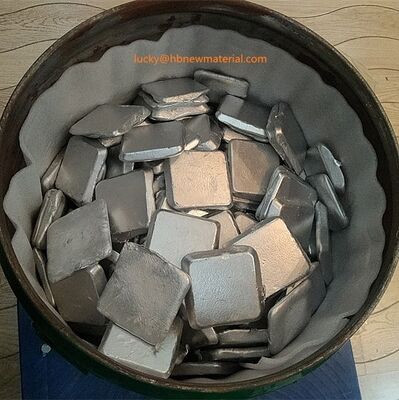
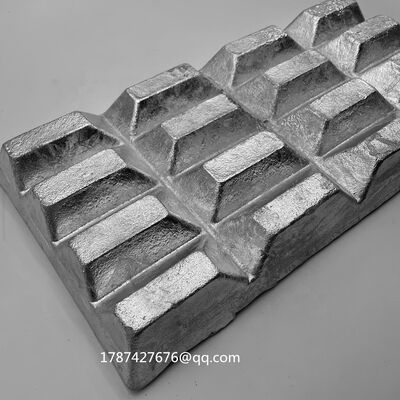
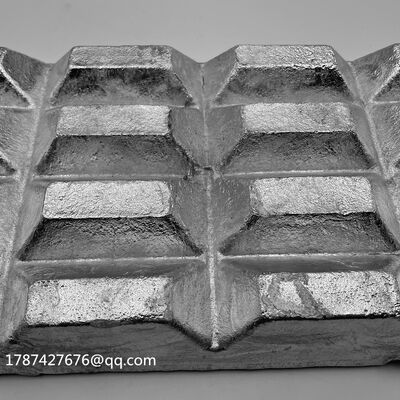
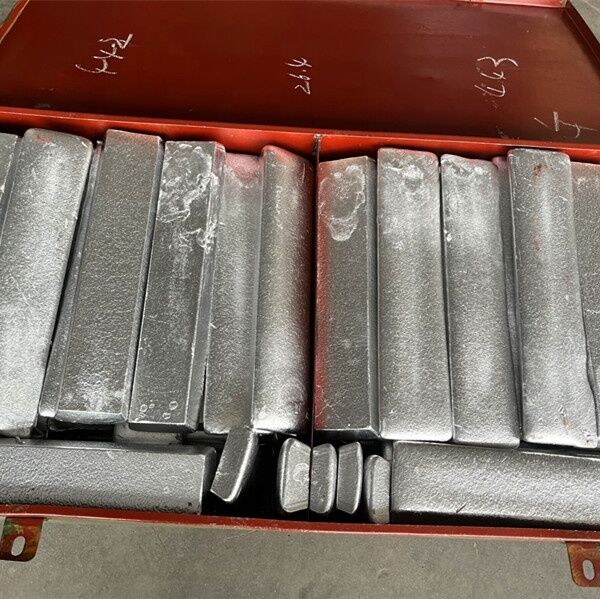
A master alloy is a base metal such as aluminium, copper or nickel combined with a relatively high percentage of one or two other elements. An example is AlTi10 - a binary alloy consisting of 10% titanium in aluminium. A master alloy is a semi-finished product. It is manufactured for use as a raw material by the metals industry. Master alloys are produced in various shapes. Examples are: ingot, waffle plate, rod in coils, etc.
Master alloys are used worldwide. Invariably they are found in plants where metal is melted, alloyed with various elements and then cast into shapes. This can be aluminium, iron, steel or even a precious metal such as gold.
There are various reasons for adding master alloys to a melt. One of the main applications is composition adjustment, i.e. changing the composition of the liquid metal to achieve the desired chemical specification. Another important application is structure control - influencing the microstructure of a metal during the casting and solidification process in order to change its properties. Such properties include mechanical strength, ductility, electrical conductivity, castability or surface appearance. A master alloy is sometimes also referred to as "hardener", "grain refiner" or "modifier" depending on its application.
Reasons for using a master alloy instead of a pure metal can be economical, technical or both. Some elements show high losses - or poor yield - when added in pure form. Others will not dissolve at all at the furnace temperature prevailing in a casthouse. A master alloy often provides the solution, as it dissolves much quicker at lower temperatures, saving valuable energy and production time.
The master alloy industry uses specialised equipment such as high temperature induction furnaces to produce the alloy composition suitable for use by the regular metals industry.
Master alloy fabrication is a truly specialised field.
Benefits of Master Alloys and Alloying Additives
A master alloy is a pre-alloyed concentrate or mixture of alloying elements. They are used to add all the major alloying elements in one form to the base metal. For example, a addition of 30% yttrium - 70% magnesium composition master alloy to produce Mg-Y30 alloy.
Master alloys are essential for adding small amounts of compounds with large melting point differentials. This is because adding a virgin metal to a melt can be inefficient in terms of energy and metal yield. For example, a small addition of pure copper (1083°C melting point) to a large mass of aluminum (660°C melting point) would require heating all the aluminum above 1083°C. A 50-50 master alloy of copper and aluminum eliminates unnecessary heating of the aluminum, allowing the correct percentage of this alloy to be added to the bulk of aluminum at a much lower temperature.
Master alloys are also the most effective method of introducing controlled levels of rare earth metals to more complex alloy systems. They help to control oxygen content within the alloy, stabilizing metals that would normally oxidize in the atmosphere
Magnesium Scandium is one of numerous metal alloys sold by high broad. Our alloy products are available in various forms such as powder, bars, ingots, ribbons, wires, sheets, sputtering targets, foils, and custom shapes in both standard... Compound Formula: MgSc Exact Mass: 68.941 g/mol Molecular Weight: 69.26 | |
Magnesium yttrium is one of numerous high purity rare earth alloys manufactured by high broad. As a master alloy, magnesium-yttrium can be used for grain refining, hardening, and improving alloy performance by enhancing properties such as ductility and machinability. Compound Formula: MgY Density: 2.1 g/cm 3 Melting Point: 570 °C (1060 °F) | |
Magnesium neodymium is one of numerous high purity rare earth alloys manufactured by high broad. As a master alloy, magnesium neodymium can be used for grain refining, hardening, and improving alloy performance by enhancing magnesium properties such as ductility and machinability. Compound Formula: MgNd Tensile Strength: 280-290 Mpa Vickers Hardness: 63-67 | |
Magnesium zirconium is one of numerous metallic alloys manufactured by high broad. Available alloy forms include sheets and plates, discs, foils, rods, tubes, powders, and other shapes. American Elements can produce magnesium-zirconium in various standard ratios of Mg:Zr; custom alloy compositions are also available. Compound Formula: MgZr Melting Point: 650 °C (1200 °F) Molecular Weight: 115.529 | |
Magnesium Gadolinium is one of numerous high purity rare earth alloys manufactured by high broad. As a master alloy, magnesium-gadolinium can be used for grain refining, hardening, and improving alloy performance by enhancing properties such as ductility and machinability. Compound Formula: MgGd Monoisotopic Mass: 181.909 g/mol | |
| Others master alloy feel free contact with us |